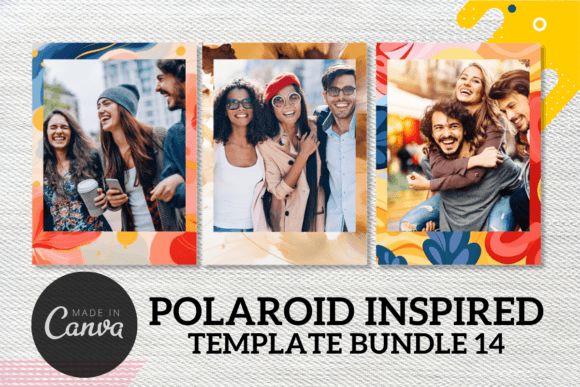
Canva Template Polaroid 14: A Floral Nostalgia for Modern Memories
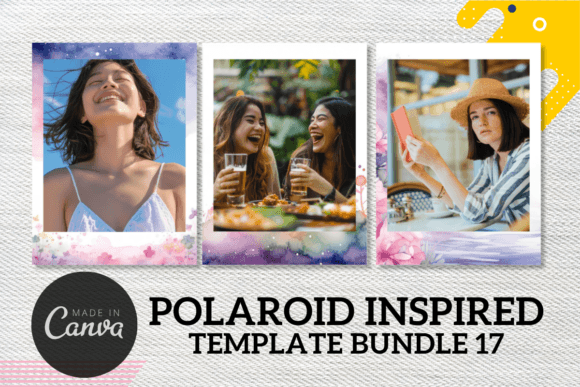
There’s a certain magic to a Polaroid photo. It’s more than just an image; it’s a tangible piece of a moment, complete with its iconic white border and the soft, slightly imperfect quality that digital perfection often lacks. The Canva Template Polaroid 14 captures that magic and infuses it with a fresh, botanical elegance. This isn't just a frame for your photos; it's a complete visual language built around a floral theme, designed to transform your cherished memories into shareable art with a distinct personality.
At its core, this template is a love letter to analog charm meeting digital convenience. The visual style is characterized by soft, muted color palettes—think dusty pinks, sage greens, and creamy ivories—complemented by delicate floral illustrations and botanical line art. The typography choices within the template often lean towards a blend of elegant serif fonts for headings and clean, modern sans serif fonts for body text, creating a harmonious font pairing that feels both nostalgic and contemporary. The overall appeal lies in its ability to make a simple photo feel like a page torn from a vintage scrapbook or a designer’s mood board, adding layers of texture and storytelling.
Where This Template Truly Blooms: Practical Applications
The versatility of the Canva Template Polaroid 14 is one of its greatest strengths. For small business owners and entrepreneurs, it’s a powerful tool for brand identity. Imagine using it for a boutique florist’s Instagram feed, a wedding photographer’s client welcome packet, or a artisan baker’s product showcase. The consistent floral framing instantly communicates a brand personality that is thoughtful, creative, and detail-oriented. It’s a premium font and design asset package that elevates social media graphics from simple posts to curated visual experiences, boosting engagement through its inherent charm.
Content creators and bloggers will find it invaluable for editorial design. It can be used to create cohesive blog post headers, Pinterest pins that stand out in a crowded feed, or newsletter graphics that feel personal and inviting. The template’s style directly influences visual hierarchy; the eye is naturally drawn to the framed photo, then to the supporting floral elements and typography, guiding the viewer’s attention exactly where you want it. This makes it excellent for storytelling, where each image is presented with its own decorative context.
Beyond digital, its applications in print are just as compelling. Use it for packaging design inserts, thank-you cards for customers, or even as a base for print design projects like event programs or personal scrapbooks. The creative font pairings and layouts ensure that your printed materials carry the same professional and nostalgic brand perception as your online presence, creating a seamless brand identity across all touchpoints.
Working with the Template: A Designer’s Perspective
Adopting a template like this is about more than just dropping in a photo. It’s about understanding its design language. The floral elements aren’t just decoration; they can be scaled, repositioned, or even removed to suit different photos. A landscape shot might benefit from florals in the corners, while a tight portrait could be framed by a single, elegant vine. This flexibility allows for consistency without monotony, a key factor in professional brand identity.
When evaluating fit, consider the emotional tone of your project. The Canva Template Polaroid 14 excels in scenarios that call for warmth, romance, nostalgia, or a handmade feel. It might be less suited for stark, minimalist corporate reports or high-tech product launches, but it’s perfect for lifestyle brands, creative portfolios, and personal projects. Always test the template with your own content. Does your photo’s color scheme harmonize with the preset palette? Do the serif and sans serif fonts maintain readability when you add your own text? Canva’s free plan makes this testing effortless, and the ability to edit on a mobile phone means you can tweak designs on the go.
A practical recommendation: use the template’s existing structure as a starting point, but don’t be afraid to customize. Swap the floral illustrations for other line art from Canva’s library to match a different season or theme. Experiment with the font pairing—perhaps replace the elegant serif with a handwritten font for a more personal touch, or use a bold sans serif for a modern twist. The goal is to make the template your own, using its robust framework to ensure your final design remains polished and professional. This approach turns a design asset into a genuine extension of your creative vision, helping you produce consistent, engaging content that resonates with your audience on a deeply visual level.